My name is Jessica. It's my second year in my program which is TES. This glossery is for Priscille my engish teacher. My glossery is to inform Priscille on my program and what can be involed in it. This glossery has 20 terms and the recources are from internet. I used words that I learned throughout my program and I found the definisions on internet. I want you to understand terms that we use in our program and help you understand each diagnostic.
A tutor
noun
Tutoring is private academic support, usually provided by an expert teacher; someone with deep knowledge or defined expertise in a particular subject or set of subjects.
Example: Someone who helps with people that need extra help.
en: Un tuteur
ADHD
noun
Attention deficit disorder and attention deficit hyperactivity disorder are medical conditions characterized by a child's inability to focus, while possessing impulsivity, fidgeting and inattention.
Example: This child is diagnosed with ADHD
en: TDAH
Aphasia
noun
Aphasia is a disorder that results from damage to portions of the brain that are responsible for language. For most people, these areas are on the left side of the brain. Aphasia usually occurs suddenly, often following a stroke or head injury, but it may also develop slowly, as the result of a brain tumor or a progressive neurological disease. The disorder impairs the expression and understanding of language as well as reading and writing.
Example: Aphasia can occur after a brain injury and stoke.
en: Aphasie
Autism
noun
A brain development disorder characterized by impaired social interaction, communication and by restricted and repetitive behavior. Signs usually begin before a child is 3 years old.
Example: I was working with a little boy who was trying to figure out his colors.
en: Autisme
Behavior Intervention Plan
noun
Special education term used to describe the written plan used to address problem behavior that includes positive behavioral interventions, strategies and support. May include program modifications and supplementary aids and services.
Example: To know how you client is doing over the years, you elaborate an intervention behavior.
en: Plan d'intervention comportementale
Cerebral Palsy
noun
A series of motor problems and physical disorders related to brain injury. CP causes uncontrollable reflex movements and muscle tightness and may cause problems in balance and depth perception. Severe cases can result in mental retardation, seizures or vision and hearing problems.
Example: Someone got an injury. He is now paralized
en: Paralysie cérébrale
Children's anxiety
noun
It’s defined as extreme agitation, filled with tension and dread. Anxiety is different than fear.
Example: Today, I met a student that had anxiety.
en: L'anxiété des enfants
Cognitive
noun
Cognition is a term referring to the mental processes involved in gaining knowledge and comprehension. Some of the many different cognitive processes include thinking, knowing, remembering, judging, and problem-solving.
Example: Cognitive is in the mind.
en: Cognitive
Dementia
noun
Its the loss of cognitive functioning thinking, remembering, and reasoning to such an extent that it interferes with a person's daily life and activities. Some people with dementia cannot control their emotions, and their personalities may change
Example: It's the loss of many cognitive things like remebering.
en: Démence
Developmental language disorder
noun
It is diagnosed when a child’s language skills are persistently below the level expected for the child’s age.
Example: When children speak we can realize if they have trouble speaking.
en: Trouble développemental du langage
Dyslexia
noun
It’s a learning disorder that involves difficulty reading due to problems identifying speech sounds and learning how they relate to letters and words. Also called a reading disability, dyslexia is a result of individual differences in areas of the brain that process language.
Example: Diffculty to read.
en: Dyslexie
Dyspraxia
noun
It’s a neurodevelopmental disorder of movement and coordination in which messages sent from the brain to the muscles are interrupted. It is often identified in early childhood but can also come on later in life after an illness or acquired brain injury.
Example: Children are most common to have dispraxia.
en: Dyspraxie
Epilepsy
noun
It’s a chronic noncommunicable disease of the brain. It is characterized by recurrent seizures, which are brief episodes of involuntary movement that may involve a part of the body or the entire body and are sometimes accompanied by loss of consciousness and control of bowel or bladder function
Example: When this occurs, it is important to hold their head.
en: Épilepsie
Leukemia
noun
It is cancer of the body's blood-forming tissues, including the bone marrow and the lymphatic system.
en: Leucémie
Post-traumatic stress disorder
noun
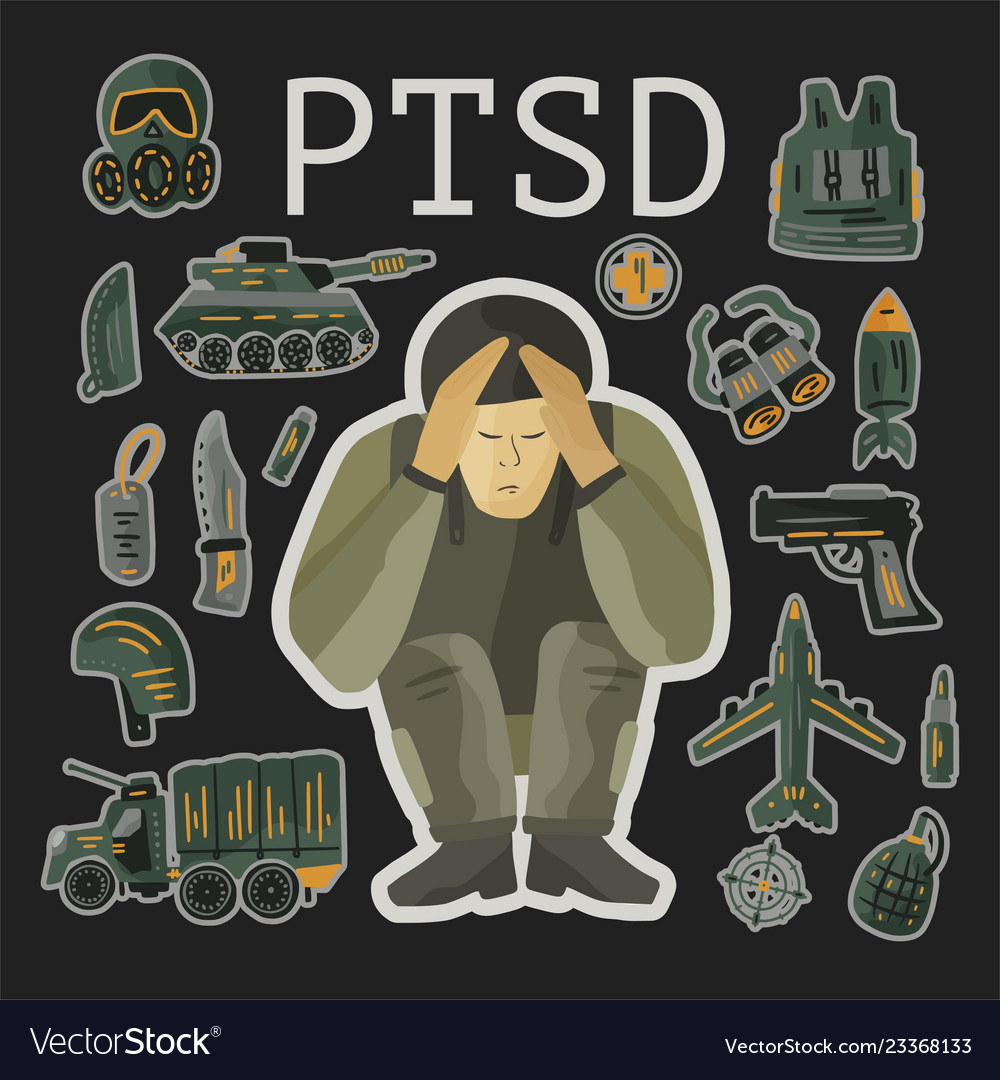
PTSD is a mental and behavioral disorder that can develop because of exposure to a traumatic event, such as sexual assault, warfare, traffic collisions, child abuse, domestic violence, or other threats on a person's life.
Example: Someone that is traumitized by their past.
en: Trouble de stress post-traumatique
Scoliosis
noun
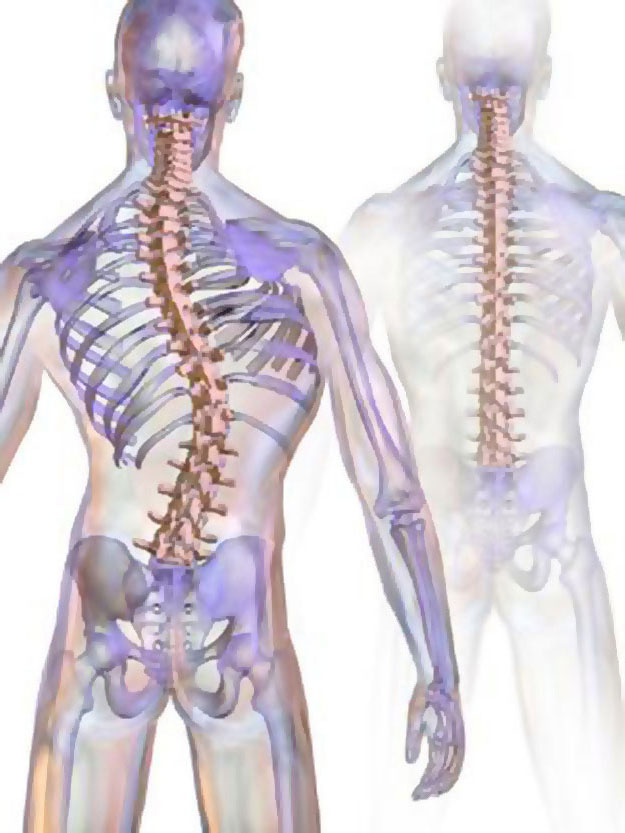
It is a sideways curvature of the spine that most often is diagnosed in adolescents. While scoliosis can occur in people with conditions such as cerebral palsy and muscular dystrophy, the cause of most childhood scoliosis is unknown.
Example: The spine is not normal so it could be difficult to walk.
en: Scoliose
Stigma
noun
It is a mark, stain, or blemish. Myths, misunderstanding, ignorance, negative attitudes can all result in stigma for people living with mental health conditions, who may be treated as dangerous, different, or as if they are somehow less than other people.
Example: Someone with bad metal heath.
en: Stigmate
Stroke
noun
It occurs when blood flow is interrupted to part of the brain. Without blood to supply oxygen and nutrients and to remove waste products, brain cells quickly begin to die. Depending on the region of the brain affected, a stroke may cause paralysis, speech impairment, loss of memory and reasoning ability, coma, or death.
Example: After this kind of accident you can stay paralized.
en: Accident vasculaire cérébral
Tourette's Syndrome
noun
Disorder that includes multiple motor and one or more vocal tics, which occur many times per day, nearly daily. If a child has Tourette's syndrome, symptoms tend to appear between the ages of 3-10 years old.
Example: A little boy was talking to me and hit me by accident.
en: Syndrôme de Tourette
Traumatic Brain Injury
noun
An acquired injury to the brain caused by an external physical force resulting in total or partial functional disability or psychosocial impairment. Applies to open or closed head injuries.
Example: I got a traumatic brain injury on a car accident.